

THE COURAGE TO REALIGN
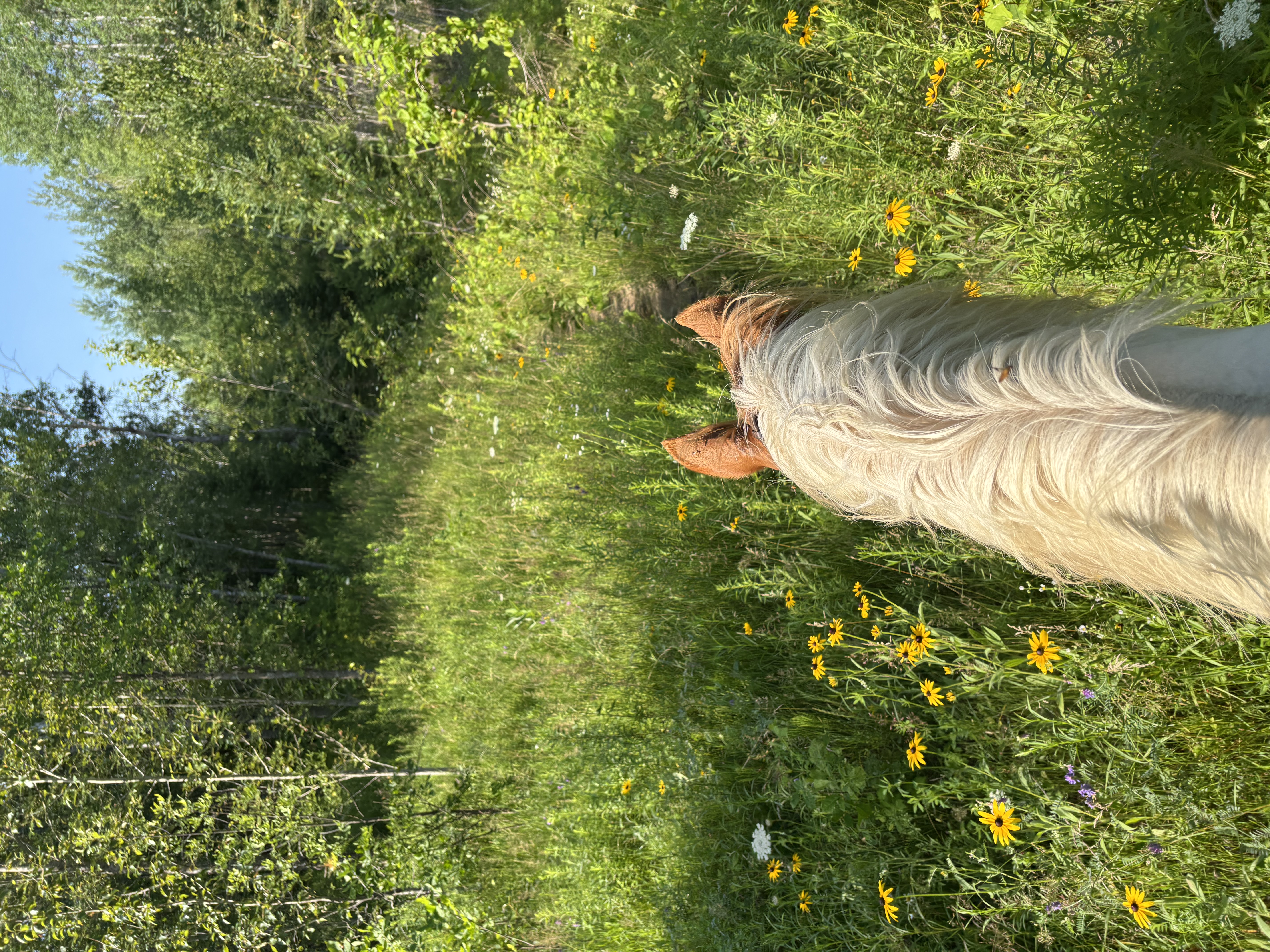
For years, I tried to build a life between two worlds.
My family is in Germany. My husband is in Canada. The people and places I care about most are spread across continents, time zones, and different chapters of life. Alongside that, I was building a career I loved, nurturing friendships, and staying connected to the things that matter most to me, including my horse, Brittney.
For a while, I convinced myself I could keep all of those plates spinning indefinitely. But over time, the strain became impossible to ignore. I was constantly navigating competing priorities, trying to be present in multiple places at once, and carrying a level of pressure that simply wasn't sustainable.
Eventually, I made one of the hardest decisions of my life. I stepped away from a role I cared deeply about to create space, reflect, and figure out a way forward.
Coming Home to My Horse
After months of travel and reflection, one of my first mornings back at the barn felt surprisingly significant. Brittney lifted her head, ears forward, and walked toward me. No expectations. No urgency. No competing priorities. Horses don't spend their days replaying the past or worrying about the future. They live entirely in the present moment. Their focus is simple: stay safe, save energy, and navigate what is right in front of them. As humans, we're often doing the opposite.
For months, I had been consumed by decisions and questions about the future. Brittney didn't have answers to any of those questions. What she offered instead was a reminder to return to the present. Standing beside her, brushing her coat and listening to her breathe, I felt my shoulders drop in a way they hadn't for months. And I realized something I had been too busy to notice:
Balance isn't something you find once. It's something you practice.
Leadership often rewards pushing through, taking on more, and postponing your own needs. But sustainable leadership requires something different: the ability to recognize when you've drifted too far from yourself.
Not every tension can be resolved. Some are simply part of life. The challenge is learning how to navigate them without losing yourself in the process.
Sometimes self-leadership means having the courage to pause and ask:
Is the life I'm building aligned with who I am and what matters most to me?
In the End
I didn't leave my job because I stopped loving it. I left because I eventually understood that loving something isn’t enough if it costs you your balance. And sometimes, the most powerful leadership lesson comes from a quiet morning in the barn and a horse who reminds you, without a single word, to come home to yourself.